Culture
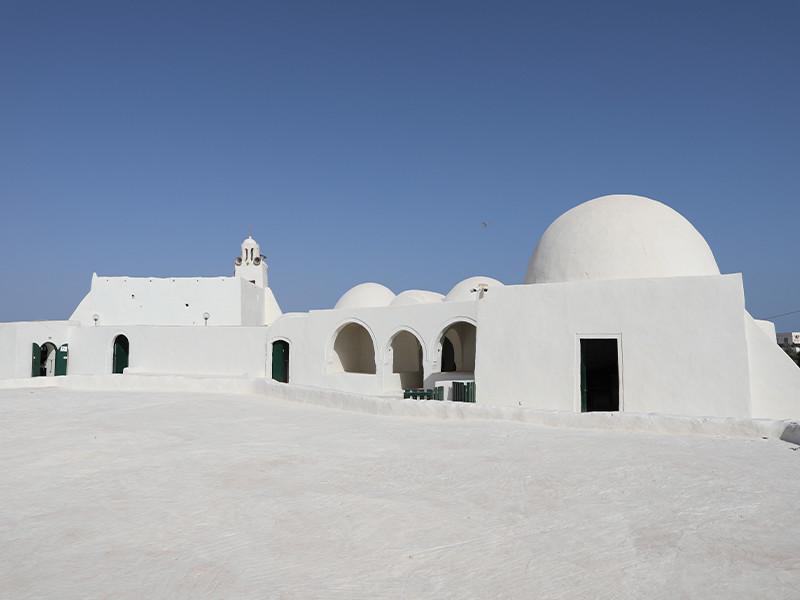
Mosquee
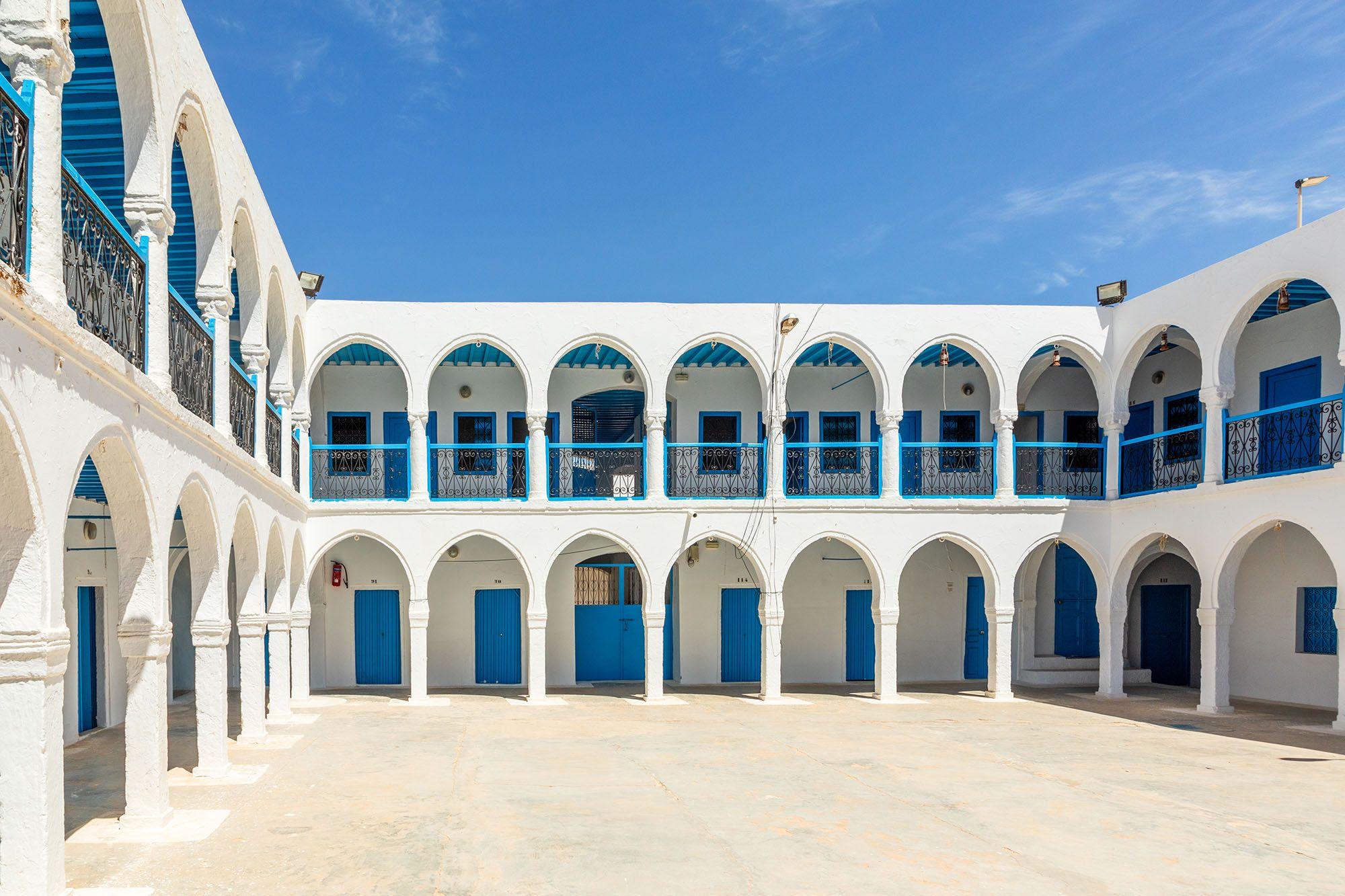
Fondok
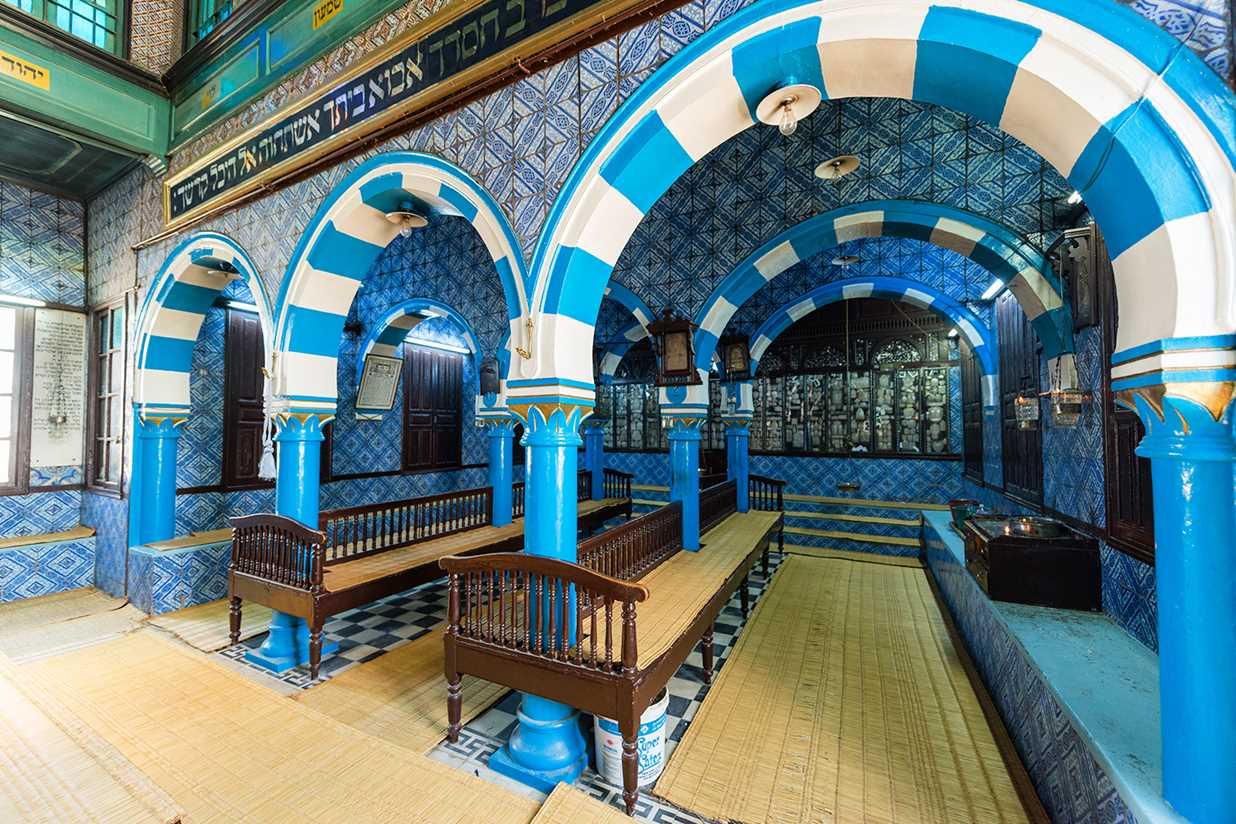
Synagogue
Mison
Tour De Lile A Djerba 3
1 / 6
Culture

How can you visit Djerba’s UNESCO World Heritage sites?

4.8 6 avis
How to visit Djerba’s UNESCO World Heritage sites?To explore Djerba’s UNESCO World Heritage, choose a cultural route connecting historic town centres, traditional menzel landscapes and several historic places of worship. The 2023 inscription, entitled “Djerba: Testimony to a settlement pattern in an island territory”, recognises a dispersed settlement system adapted to an environment where water is scarce. Djerba Guide helps you organise a coherent cultural visit, with an itinerary adapted to your interests and site-access conditions.Why is Djerba on the World Heritage List?Since 18 September 2023, the property “Djerba: Testimony to a settlement pattern in an island territory” has been inscribed on the UNESCO World Heritage List under criterion (v). The property consists of 31 components: five rural menzel areas, two historic town centres and twenty-four religious monuments. This does not mean the entire island is automatically a listed monument: the inscription recognises representative components of its inhabited landscape.Which places should you explore?A representative itinerary might start in Houmt Souk, continue through areas of traditional housing and then visit Erriadh and the Ghriba Synagogue when access is permitted. Courtyard houses (houch), rural estates (menzel), networks of paths and traditional water-management systems help visitors understand this cultural landscape. Other heritage stops may be included depending on the chosen programme. Not all suggested stops are necessarily components of the UNESCO-listed property.Explore UNESCO Djerba with a guide or independently?An independent visit lets you discover certain public spaces at your own pace. A guided tour is particularly useful for understanding the menzel–houma system, recognising architectural features and placing religious sites in the context of Djerba’s multicultural history. Opening hours, access and photography restrictions vary from site to site: check before setting off.How much time should you allow and how should you plan your route?Allow around half a day for a focused introduction or a full day to explore several areas in more depth, depending on distances, stops and access. The route below is indicative and does not guarantee entry to any buildings. Respectful clothing, drinking water, comfortable shoes and sun protection are recommended.Book your cultural experience with Djerba GuideWould you like to turn these suggestions into a real experience? Browse the cultural tours offered by Djerba Guide and confirm the itinerary, accessible sites, guide availability, transport and price before booking. Discover an authentic side of Djerba beyond the beaches through its World Heritage and living traditions.Heritage source: UNESCO World Heritage Centre — Djerba (property no. 1640).
Durée8 Hours
TypeIsland tour
BilletMobile
LanguesFR, EN +5
AnnulationGratuite 24h

How can you visit Djerba’s UNESCO World Heritage sites?

4.8 (6) Reviews

The most fun excursion in Djerba

Excellentfrom 6 reviews
4.8/5
0% of guests recommend

Duration

8 Hours

Activity Type

Island tour

Group Size

19 persons

Duration8 Hours
Activity TypeIsland tour
TicketMobile ticket
LanguagesFR, EN + 5 more

How to visit Djerba’s UNESCO World Heritage sites?

To explore Djerba’s UNESCO World Heritage, choose a cultural route connecting historic town centres, traditional menzel landscapes and several historic places of worship. The 2023 inscription, entitled “Djerba: Testimony to a settlement pattern in an island territory”, recognises a dispersed settlement system adapted to an environment where water is scarce. Djerba Guide helps you organise a coherent cultural visit, with an itinerary adapted to your interests and site-access conditions.

Why is Djerba on the World Heritage List?

Since 18 September 2023, the property “Djerba: Testimony to a settlement pattern in an island territory” has been inscribed on the UNESCO World Heritage List under criterion (v). The property consists of 31 components: five rural menzel areas, two historic town centres and twenty-four religious monuments. This does not mean the entire island is automatically a listed monument: the inscription recognises representative components of its inhabited landscape.

Which places should you explore?

A representative itinerary might start in Houmt Souk, continue through areas of traditional housing and then visit Erriadh and the Ghriba Synagogue when access is permitted. Courtyard houses (houch), rural estates (menzel), networks of paths and traditional water-management systems help visitors understand this cultural landscape. Other heritage stops may be included depending on the chosen programme. Not all suggested stops are necessarily components of the UNESCO-listed property.

Explore UNESCO Djerba with a guide or independently?

An independent visit lets you discover certain public spaces at your own pace. A guided tour is particularly useful for understanding the menzel–houma system, recognising architectural features and placing religious sites in the context of Djerba’s multicultural history. Opening hours, access and photography restrictions vary from site to site: check before setting off.

How much time should you allow and how should you plan your route?

Allow around half a day for a focused introduction or a full day to explore several areas in more depth, depending on distances, stops and access. The route below is indicative and does not guarantee entry to any buildings. Respectful clothing, drinking water, comfortable shoes and sun protection are recommended.

Book your cultural experience with Djerba Guide

Would you like to turn these suggestions into a real experience? Browse the cultural tours offered by Djerba Guide and confirm the itinerary, accessible sites, guide availability, transport and price before booking. Discover an authentic side of Djerba beyond the beaches through its World Heritage and living traditions.

Heritage source: UNESCO World Heritage Centre — Djerba (property no. 1640).

Déroulement de l'excursion

1 / 6
1
mison
Traditional menzel and rural settlement
Discover how a traditional Djerbian family estate is organised: the houch, inner courtyard, agricultural areas and traditional rainwater harvesting techniques. Learn how islanders developed a self-sufficient way of life suited to the island’s climate.
2
2
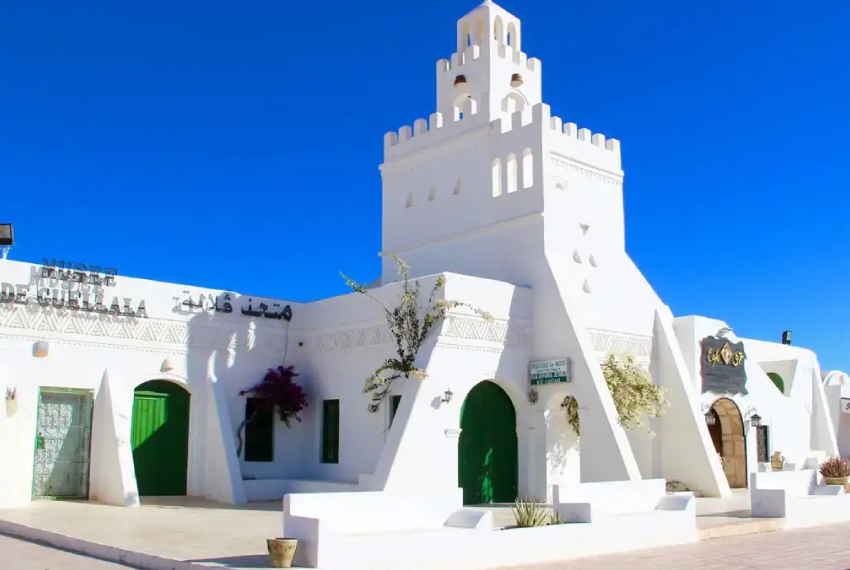
Historic mosque and Djerbian architecture
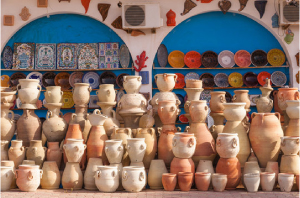
Visit the museum and discover local crafts.
3
1
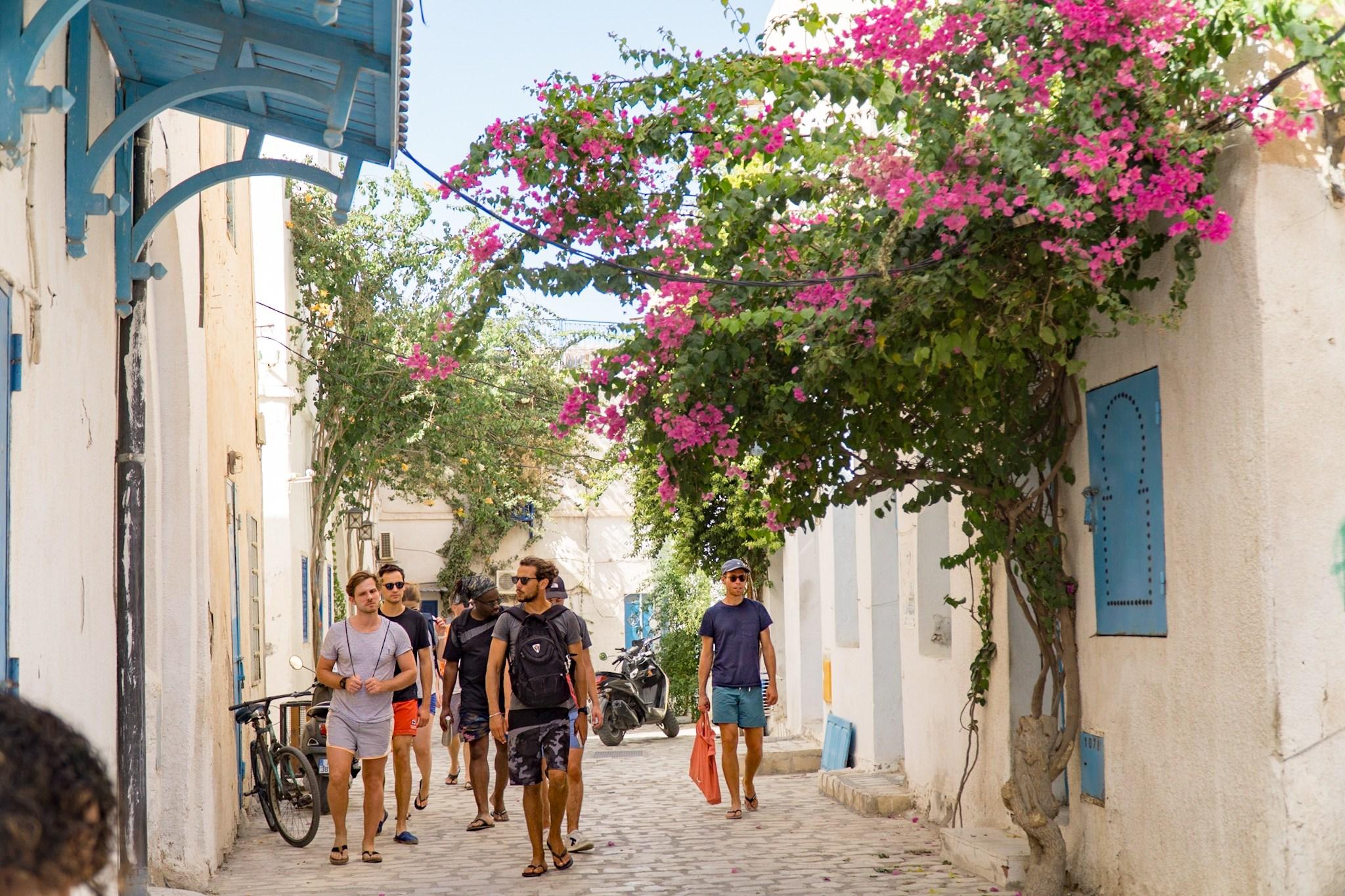
Erriadh
Discover the distinctive forms of historic mosques and their religious, educational and sometimes defensive functions. Fadhloun Mosque is an interesting heritage stop, subject to access arrangements.
4
5
Erriadh: traditions and cultural diversity
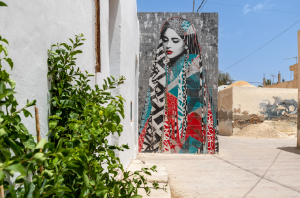
Explore traditional lanes and learn about the communities whose histories have shaped Djerba’s identity. This stop offers insight into cultural exchanges and how local life has evolved.
5
synagogue
El Ghriba Synagogue and religious heritage
Learn about Djerba’s Jewish heritage and its importance to the island’s multicultural identity. Entry to the synagogue depends on access restrictions and security conditions.
6
fondok
Houmt Souk: souks and historic fondouks
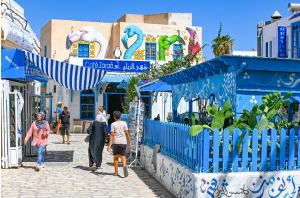
Stroll through Houmt Souk’s historic centre. Discover traditional shops, old fondouks (merchant inns) and the role of markets in the island’s trading history.

Déroulement de l'excursion

mison
Étape 1/6
1
Traditional menzel and rural settlement
Discover how a traditional Djerbian family estate is organised: the houch, inner courtyard, agricultural areas and traditional rainwater harvesting techniques. Learn how islanders developed a self-sufficient way of life suited to the island’s climate.
2
Étape 2/6
2
Historic mosque and Djerbian architecture
Visit the museum and discover local crafts.
1
Étape 3/6
3
Erriadh
Discover the distinctive forms of historic mosques and their religious, educational and sometimes defensive functions. Fadhloun Mosque is an interesting heritage stop, subject to access arrangements.
5
Étape 4/6
4
Erriadh: traditions and cultural diversity
Explore traditional lanes and learn about the communities whose histories have shaped Djerba’s identity. This stop offers insight into cultural exchanges and how local life has evolved.
synagogue
Étape 5/6
5
El Ghriba Synagogue and religious heritage
Learn about Djerba’s Jewish heritage and its importance to the island’s multicultural identity. Entry to the synagogue depends on access restrictions and security conditions.
fondok
Étape 6/6
6
Houmt Souk: souks and historic fondouks
Stroll through Houmt Souk’s historic centre. Discover traditional shops, old fondouks (merchant inns) and the role of markets in the island’s trading history.
1 / 6

Included/Excluded

Included
Introduction to UNESCO heritage
Suggested cultural route
Excluded
Hotel transfers and transport
Possible entrance fees and contributions
Meals and drinks
Personal purchases

FAQs

How can you visit Djerba’s UNESCO World Heritage sites?
Choose a cultural route linking Houmt Souk, traditional menzel landscapes and selected historic monuments, with or without a guide. Check access conditions and the excursion itinerary before departure.
Why is Djerba listed as a UNESCO World Heritage Site?
In 2023, UNESCO inscribed a group of components illustrating a distinctive island settlement pattern, notably the organisation of menzels, houmas and places of worship.
What are the main UNESCO sites on Djerba?
The listed property comprises 31 components: five rural menzel areas, two historic town centres and twenty-four religious monuments. A tour usually covers only a selection of them.
How long does it take to explore Djerba’s heritage?
Half a day may be enough for a few representative stops; a full day allows a more detailed exploration. The exact duration depends on your chosen route and which sites are accessible.
Is the Ghriba Synagogue part of Djerba’s UNESCO World Heritage?
Yes. The Ghriba Synagogue is among the religious monuments that form part of the inscribed property. Check access and security conditions before visiting.
Can you explore Djerba’s UNESCO heritage without a guide?
Yes. Several places can be explored independently. However, a guide can explain the history of menzels, the architecture and the island’s traditions.
Can you visit all UNESCO-listed sites in one day?
The 31 components are spread across the island, so visiting all of them in detail in a single day is unrealistic. A focused itinerary is preferable.
When is the best time for a cultural visit to Djerba?
Mornings are often pleasant for walking and photographing the scenery, particularly during warmer months. Access to individual sites may depend on opening hours and religious celebrations.
Can places of worship always be visited?
No. Some sites are closed to visitors or subject to security, dress-code and opening-hour restrictions. The tour must respect these rules.
How do you book a guided tour of Djerba’s UNESCO heritage?
Browse cultural excursions on Djerba Guide, choose your date and confirm the stops, inclusions, transport, price and availability with the organiser before paying.
Is the entire island of Djerba UNESCO-listed?
No. The UNESCO property consists of 31 identified components illustrating the island’s traditional settlement pattern, not every building or the whole island.
Is this visit suitable for families with children?
Yes. A route with short stops can suit families. Adjust the duration, walking distances and breaks to the children’s needs.

Reviews from guests

4.8
6 Reviews

Reviews reserved for Djerba Guide travelers

Only travelers who have made a booking through Djerba Guide can leave a review. You will receive a personal link by email after your trip.

4.8/5
Excellent
6 verified reviews
Excellent
5
Very Good
1
Average
0
Poor
0
Terrible
0
EXPERTS

Ce que disent les experts du tourisme sur Djerba

MOSAIQUE WEB Verified

Member Since Jan 2024

🔥 Offre Première Expérience à Djerba
✕
from 60 € 53 € / pers.
Save 11% with this offer
Fill in the fields
Step / 3 — Choose a date
{{ type.name }}
{{ type.desc }}
Free {{ type.display_price }}
Guests

Extra prices:

{{ type.price_html }}
Free
({{ type.price_type }})
{{ type.price }}%
{{ formatMoney(type.price) }}
  • {{ total_price_html }}
  • {{ pay_now_price_html }}
Check availability
up to 24 hours before the start of the experience (local time)

Reserve now, pay later
Reserve your spot now and pay later, with full flexibility.
Cancellation policy
Free cancellation
24 hours before
Under 24 hours
100% refund
No refund
You can cancel up to 24 hours before the experience and receive a full refund.
  • To receive a full refund, you must cancel more than 24 hours before the start time of the experience.
  • If you cancel less than 24 hours before the start time of the experience, the amount you paid will not be refunded.
  • Any changes made less than 24 hours before the start time of the experience will not be accepted.
  • Cut-off times are based on the experience's local time.
Reserve now, pay later

Keep your travel plans flexible: reserve now and pay later. The payment date depends on the chosen method.

You can also pay earlier if you wish.

60 € 53 € / pax
Free cancellation